
Beyond the Brand: Bringing Corporate Identity Design to Life Through Metal
Corporate identity is more than a logo, a signature color, or a recognizable name. For brands with facilities across multiple markets, identity extends into the built environment, where architecture becomes a physical expression of the brand itself.
From the distinctive exterior of an automotive dealership to the welcoming entrance of a hotel or healthcare facility, the design of a building shapes how customers experience and connect with a brand.
Bringing that vision to life—and maintaining it consistently across multiple locations—is where Corporate Identity Design (CID) meets architectural fabrication.
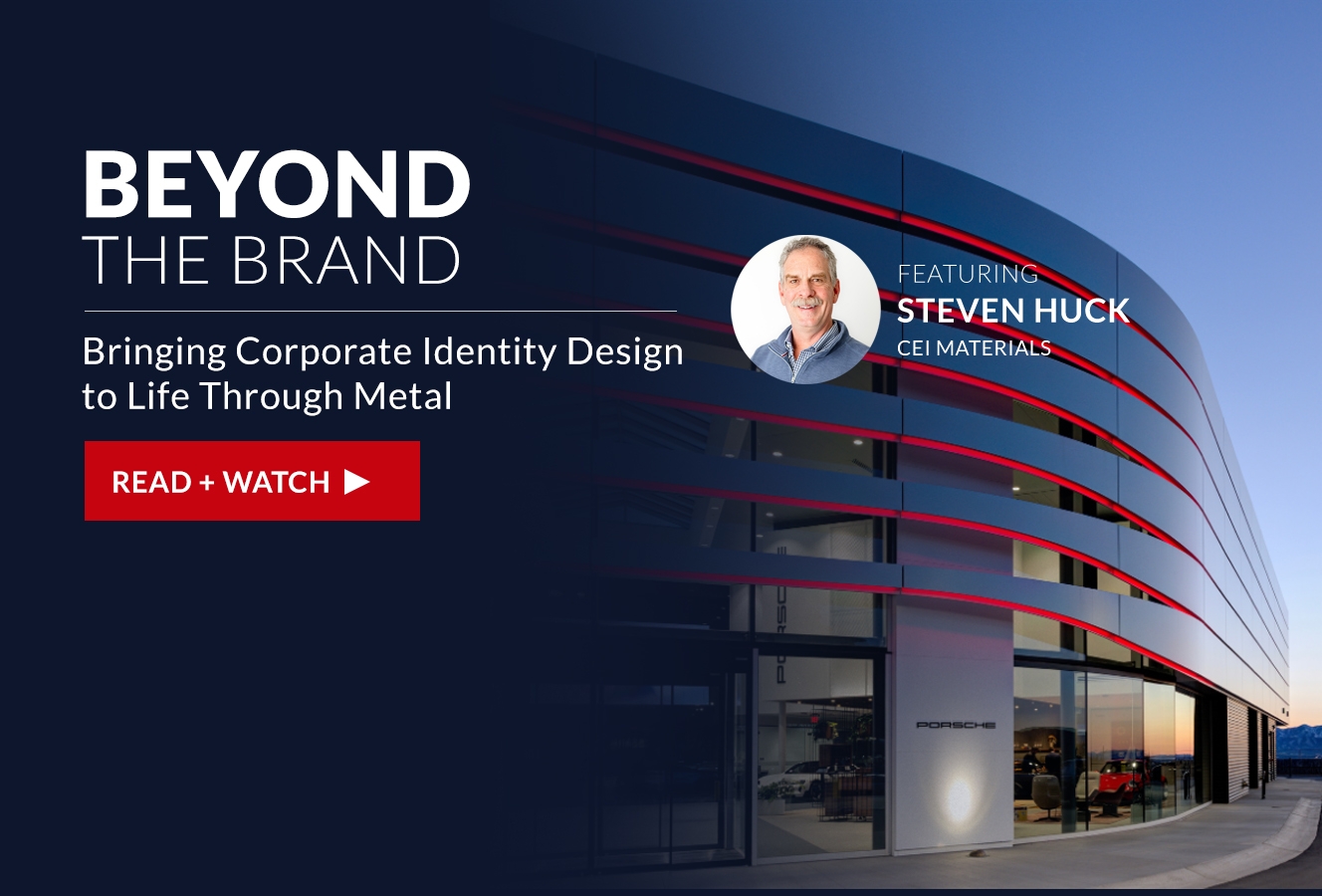
CEI Materials' Steven Huck recently joined Metal Architecture for an episode of its Built with Metal podcast to explore how architects, fabricators, contractors, and brand teams collaborate to translate corporate design standards into functional, repeatable architectural systems.
Watch the Conversation: How CEI Materials Brings Brand Identity to Life Through Metal
Built with Metal Podcast | Episode 013 | Featuring Steven Huck, CEI Materials View the original episode on Metal Architecture
Corporate Identity Design: Creating an Experience, Not Just an Appearance
For companies operating multiple facilities, maintaining a consistent architectural identity helps reinforce brand recognition and customer expectations.
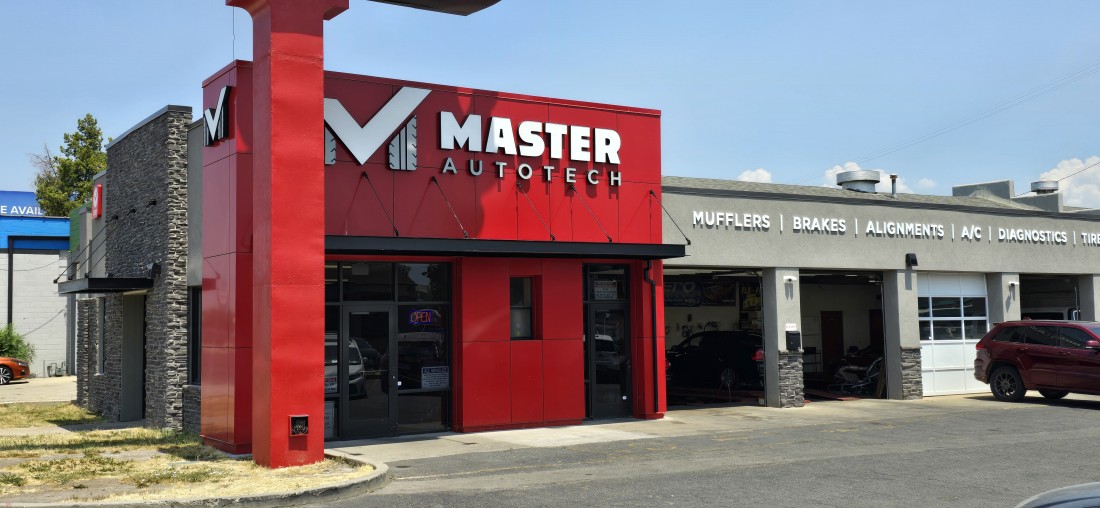 Nowhere is this more apparent than in the automotive industry, where manufacturers invest heavily in creating recognizable dealership environments that reflect their vehicles, values, and customer experience.
But as Huck explains, that consistency is about more than visual recognition. It also creates an emotional connection.
Whether approaching a Porsche dealership, a Toyota showroom, or a familiar retail destination, customers arrive with expectations shaped by their relationship with the brand. The building itself becomes part of that experience.
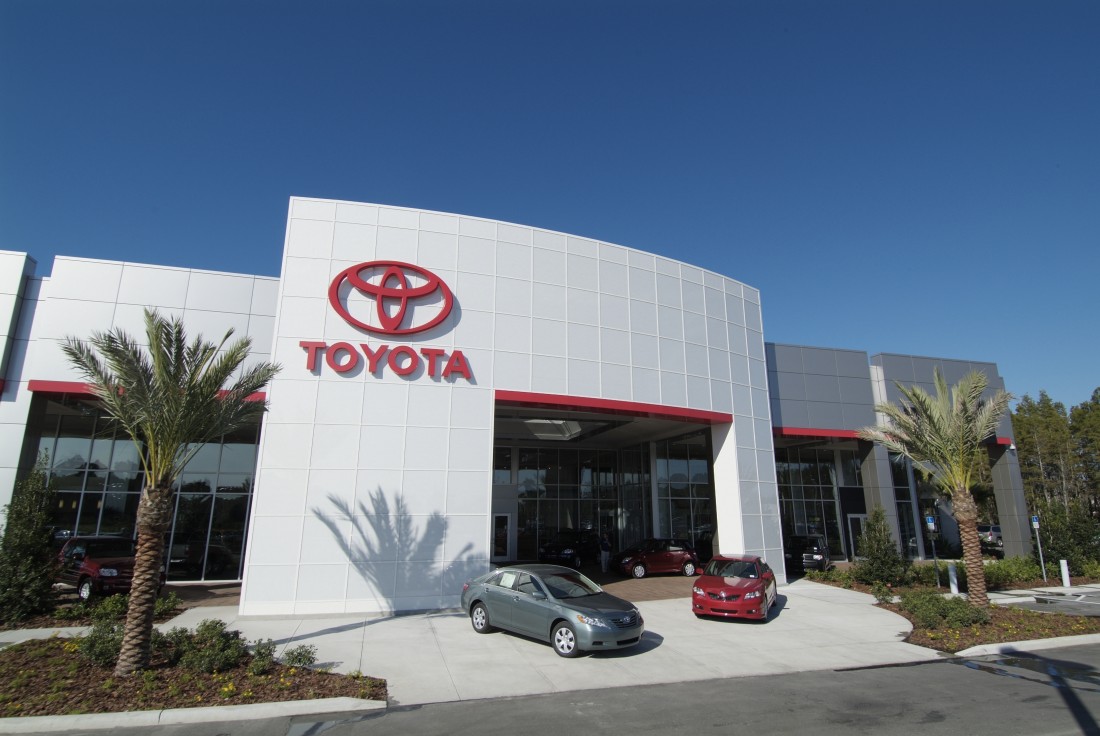 Architectural elements such as color, texture, panel configuration, lighting, and material finishes all contribute to the intended impression.
For Porsche, that experience may emphasize sophistication and performance. For Toyota, recognizable architectural elements and signature colors reinforce familiarity and brand consistency across its dealership network.
The goal is to create an environment that feels unmistakably connected to the brand, regardless of location.
Translating Brand Standards into Buildable Solutions
Corporate Identity Programs typically begin with established design standards outlining specific colors, materials, dimensions, and architectural elements.
However, translating those guidelines into a finished façade requires more than following a set of drawings.
Fabricators must consider material capabilities, structural requirements, production methods, installation sequencing, and the practical realities of construction.
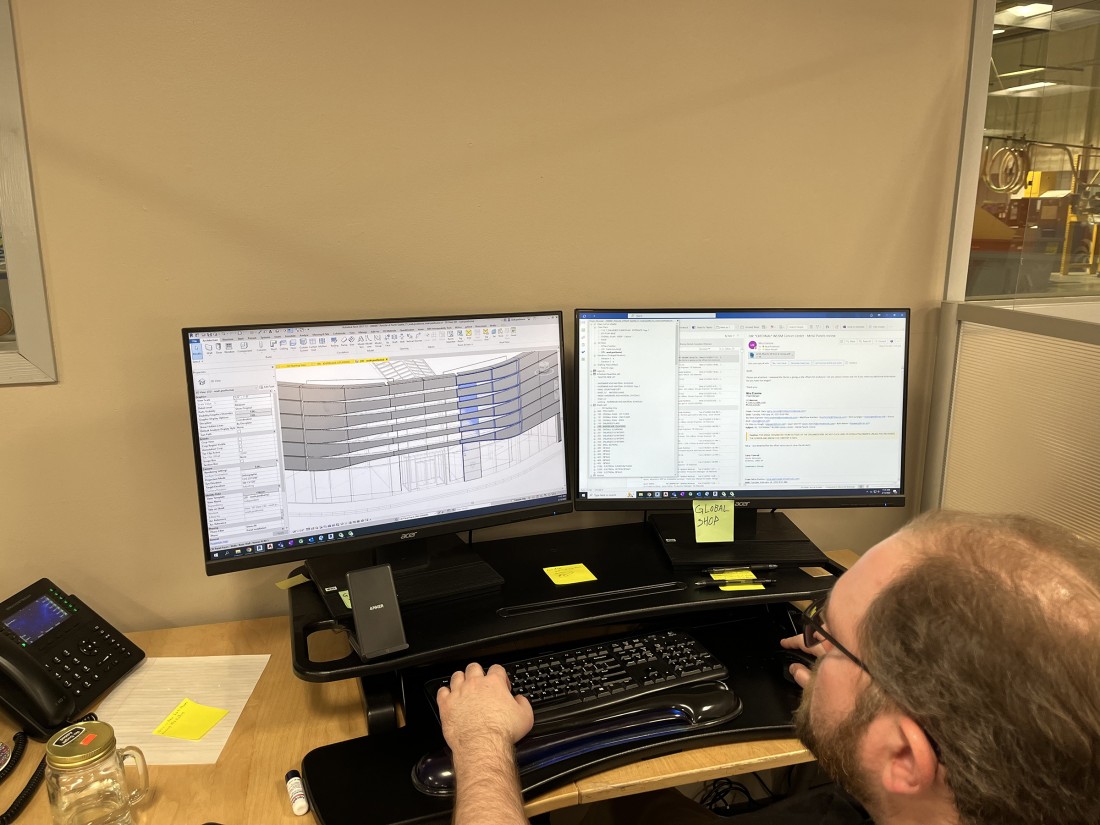 For CEI Materials, that process begins with understanding the intended result.
"Listening is the number one thing when you are making a CID program for someone." — Steven Huck, CEI Materials
By collaborating with architects and brand representatives early, CEI can help evaluate how specified materials and architectural details can be fabricated efficiently while maintaining the intended design.
This approach is particularly important when distinctive elements must be reproduced across multiple buildings.
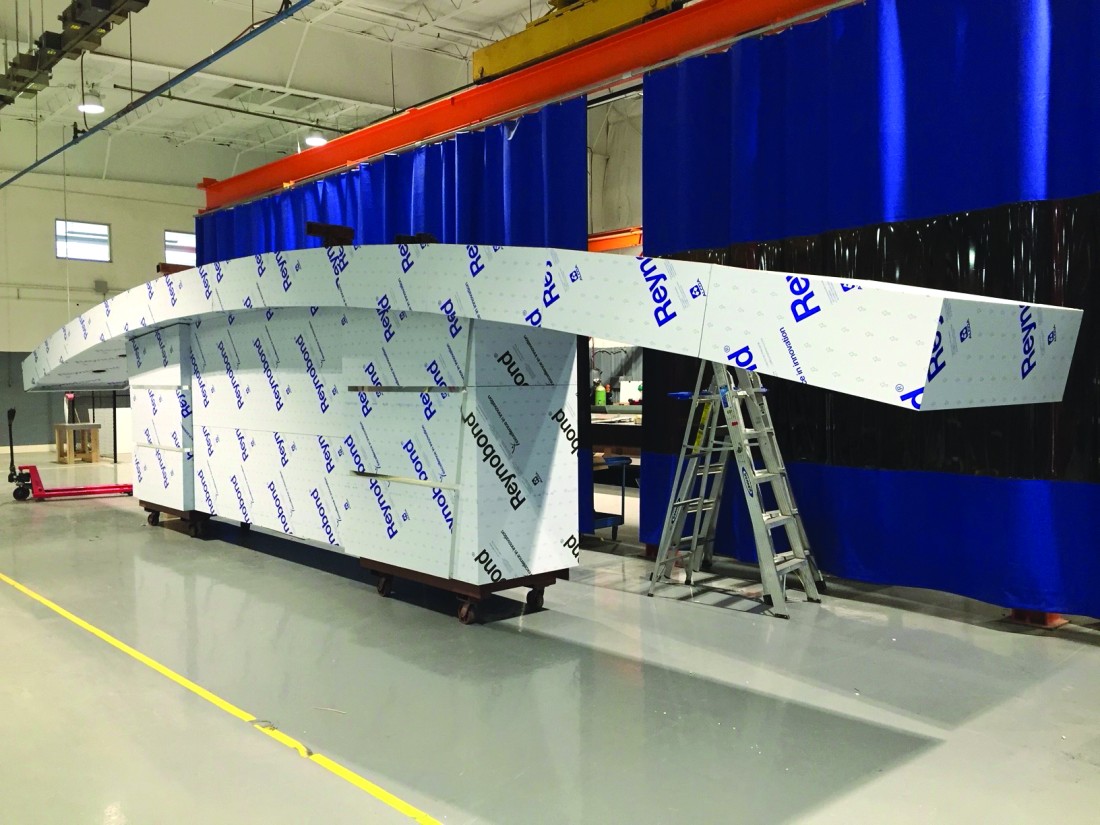
During the podcast, Huck describes how CEI developed a full-scale mockup of a unique Porsche façade detail at its fabrication facility. The mockup allowed the architect to evaluate the concept at actual size and confirm how the fabricated assembly translated the design vision into a physical structure.
Rather than waiting until installation to discover potential challenges, the team could evaluate the design before broader production.
Why Early Fabricator Involvement Matters
A successful architectural façade doesn't function independently of the building behind it.
 Structural framing, foundations, glazing, signage, lighting, and other systems must all work together to support the finished design.
This makes early collaboration especially valuable in CID programs.
Huck points to Toyota dealership projects as an example. Where branded architectural elements require consistent dimensions and integrated lighting, coordinating structural support locations in advance allows prefabricated components to arrive ready for installation.
By understanding these requirements early, general contractors and other trades can prepare the supporting structure around the established façade design.
The result is a more coordinated construction process, with fewer unknowns when components arrive on-site.
Instead of treating the façade as the final layer added to a completed structure, CID programs create an opportunity to consider the building holistically—aligning structural and architectural systems around a defined design intent.
Consistency Across Locations: The Value of Repeatable Fabrication
For national brands, one successful building is only the beginning.
The challenge is maintaining that same architectural identity across facilities that may differ in size, location, site conditions, and construction requirements.
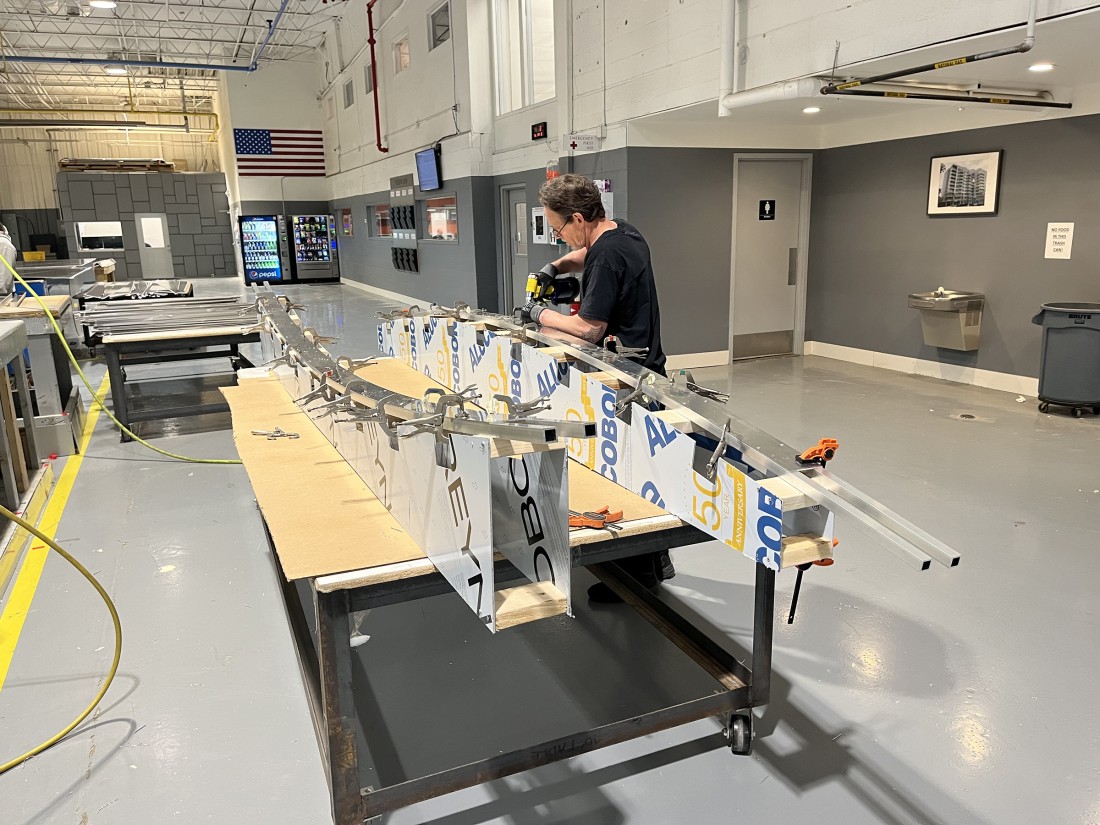 Consistency in panel dimensions, materials, finishes, and fabrication processes becomes essential.
A particularly important consideration is color.
Signature brand colors often require carefully controlled finishes to maintain their intended appearance. When multiple projects are part of a coordinated program, material planning and procurement can help improve consistency while creating economies of scale.
Huck uses Toyota's signature red as an example. Rather than sourcing small quantities of specialized material independently for each location, a coordinated program can create opportunities to purchase and process materials more efficiently across multiple projects.
Producing components through consistent fabrication and quality-control procedures can also reduce variation between facilities.
As Huck explains, the benefit extends beyond material purchasing. A repeatable program allows lessons learned on an initial project to inform subsequent installations.
Potential conflicts involving structural elements, lighting, mechanical systems, or installation details can be identified and addressed before they become recurring challenges.
For CEI Materials, this philosophy supports its established approach to Corporate Identity Programs: combining design assistance, specialized fabrication capabilities, quality assurance, and national project coordination to help preserve brand standards across multiple locations.
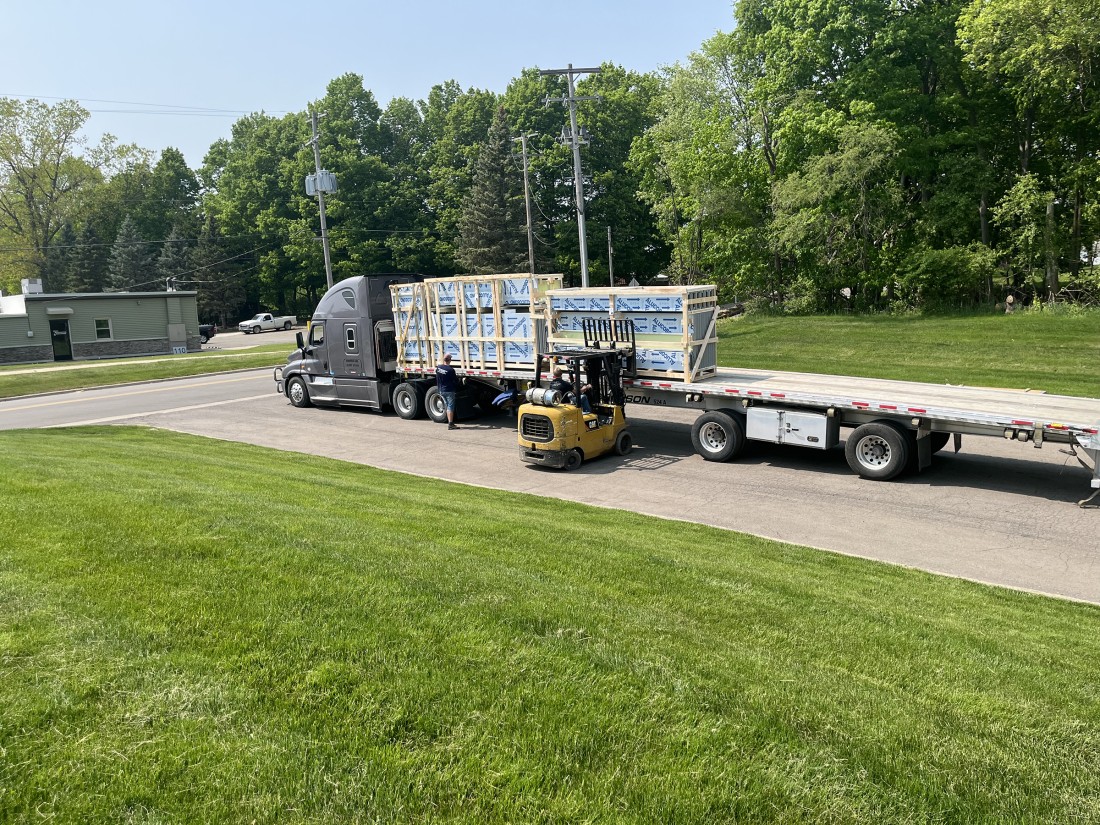 Porsche Gen 5: Architectural Branding Through Fabrication
CEI Materials' involvement in Porsche's Gen 5 dealership program demonstrates how fabrication expertise contributes to a coordinated brand experience.
Working with Stratus Unlimited, CEI supports the implementation of Porsche's global architectural identity across dealership locations.
The program incorporates recognizable façade configurations, distinctive finishes, and integrated architectural details intended to deliver a consistent customer experience.
During the podcast, Huck describes two particularly interesting aspects of the program.
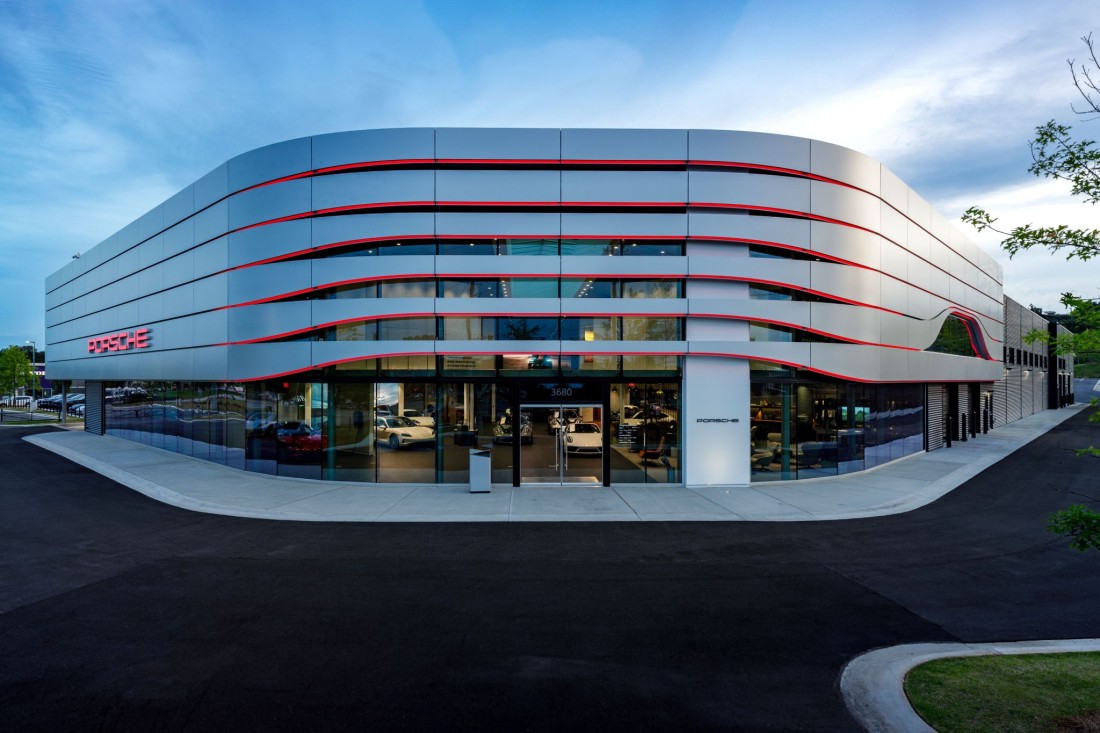 The first is a distinctive façade opening designed to create a glimpse into the showroom. To validate the architectural concept, CEI constructed a full-scale mockup in its facility for the architect's review.
The second involves integrated lighting.
Rather than treating lighting as an entirely separate installation activity, CEI worked with lighting specialists to incorporate elements into prefabricated façade components.
This factory-based approach helps control the relationship between the lighting and panel assemblies, supporting consistent visual effects and more coordinated field installation.
Together, these examples illustrate how thoughtful fabrication can contribute directly to the architectural character of a national brand.
Beyond Automotive: Corporate Identity Across Markets
Although automotive dealerships provide some of the most recognizable examples of CID, the principles extend across numerous industries.
Hospitality, retail, healthcare, and other multi-location facilities also rely on architecture to communicate brand values and create consistent experiences.
In the podcast, Huck discusses how healthcare environments can use architectural design to create a more welcoming experience before patients even enter the building.
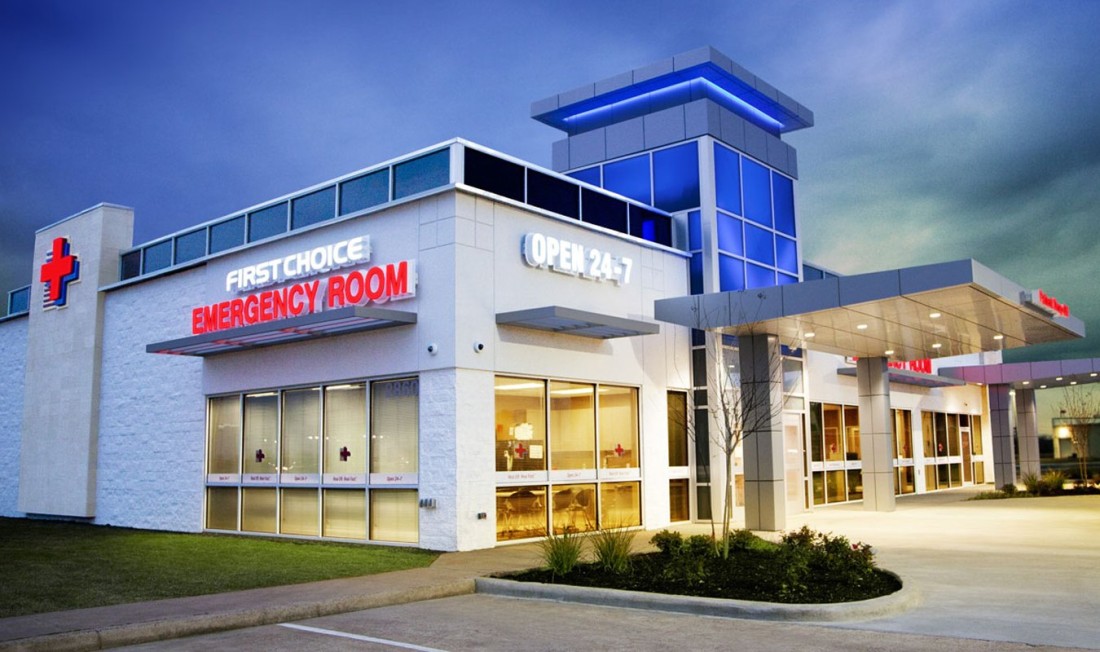 The underlying objective is similar: use the built environment to communicate a recognizable identity and influence how people experience a facility.
Architectural metal panels offer design flexibility through finishes, profiles, textures, and configurations that can support these goals on both exterior and interior applications.
For brands managing multiple facilities, a coordinated fabrication approach helps translate those design standards into repeatable architectural solutions.
Building Brand Consistency from the Start
Corporate Identity Design succeeds when visual intent, technical requirements, and construction processes work together.
While brand standards establish the architectural vision, successful execution depends on the teams responsible for bringing that vision to life.
By engaging fabrication expertise early, architects, contractors, and brand representatives can better coordinate materials, structural requirements, production processes, and installation details.
For national programs, that collaboration can improve efficiency, support consistent quality, and help preserve the intended brand experience from one facility to the next.
At CEI Materials, our experience with Corporate Identity Programs reflects a commitment to repeatable processes, precision fabrication, and collaborative problem-solving.
Because bringing a brand to life through architecture isn't simply about making buildings look alike. It's about delivering a consistent experience—one façade at a time.
Explore More
Watch the full conversation: Metal Architecture | Built with Metal Podcast
Explore CEI's Corporate Identity capabilities: Corporate Identity Program Cladding
Planning a Corporate Identity Program? Connect with CEI Materials to discuss design assistance, fabrication, and multi-location project requirements.