
The Importance of Early Panel Coordination in Architectural Facades
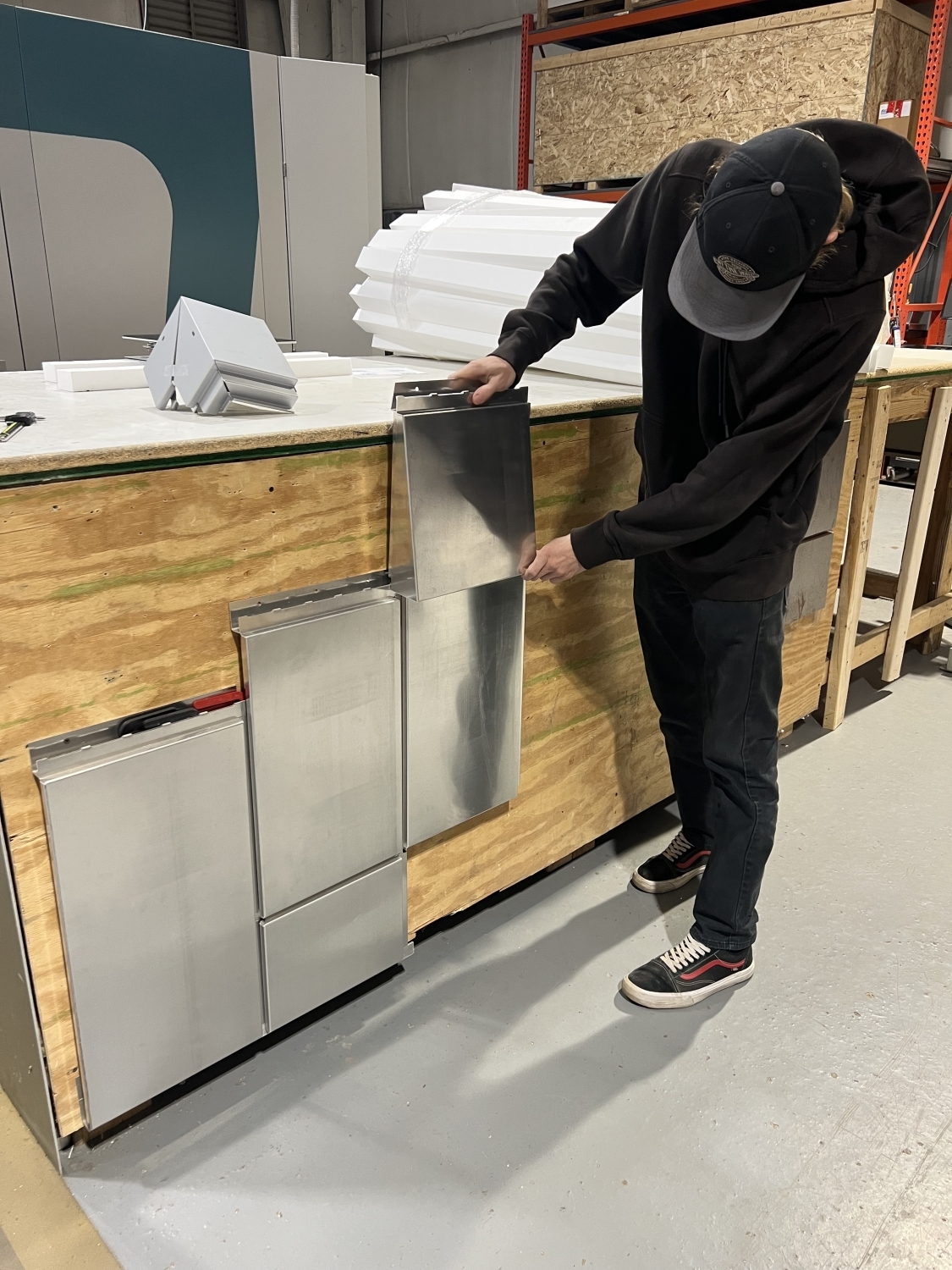
In architectural panel projects, many of the most important decisions are made long before fabrication begins.
By the time material is ordered or panels are produced, the success of the project is already being shaped by earlier conversations around layout, attachment approach, transitions, tolerances, and finish intent. When those items are discussed early, teams are better positioned to protect design intent, support constructability, and keep the project moving efficiently. When they are not, even strong designs can become harder to execute in the field.
At CEI Materials, we see this on projects of every size and type. Early panel coordination is not just a design exercise. It is one of the most practical ways to reduce downstream issues and create a smoother path from concept to completion.
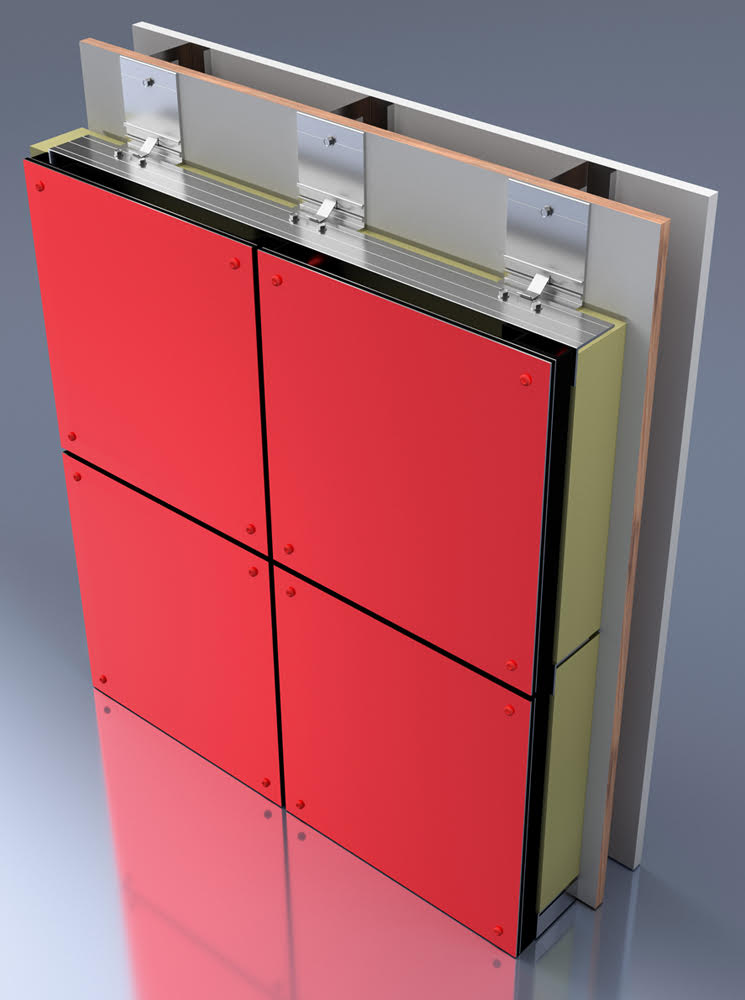
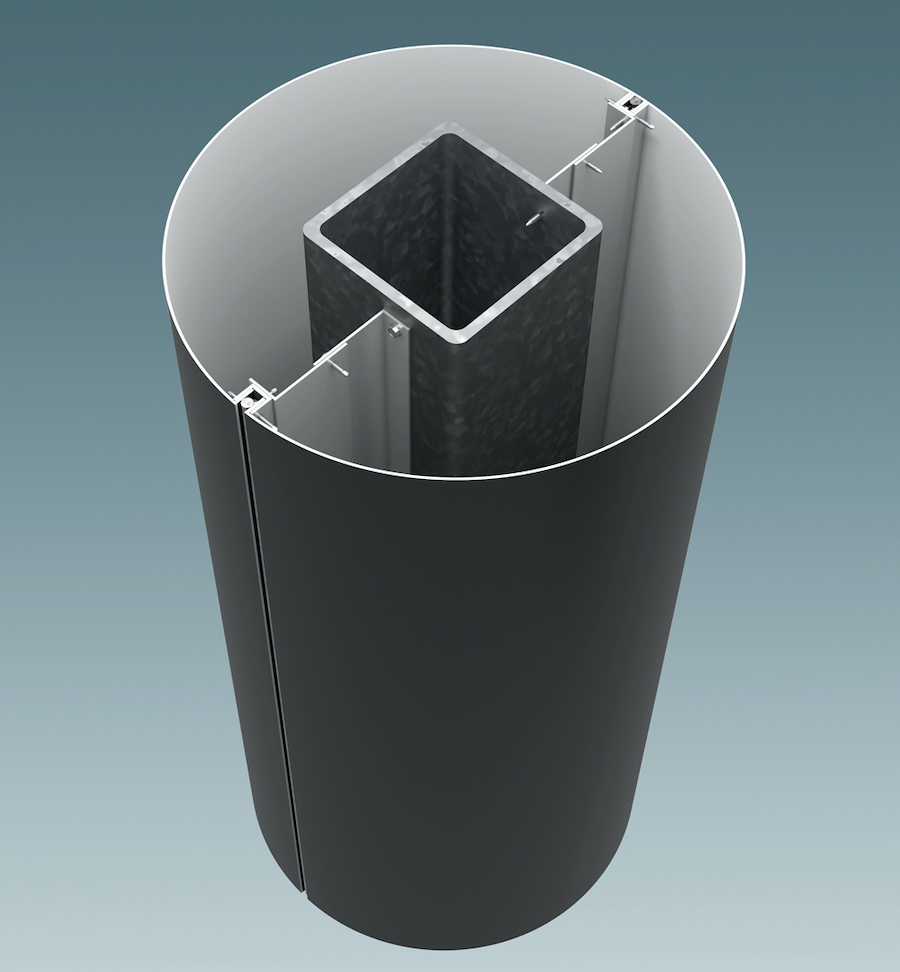
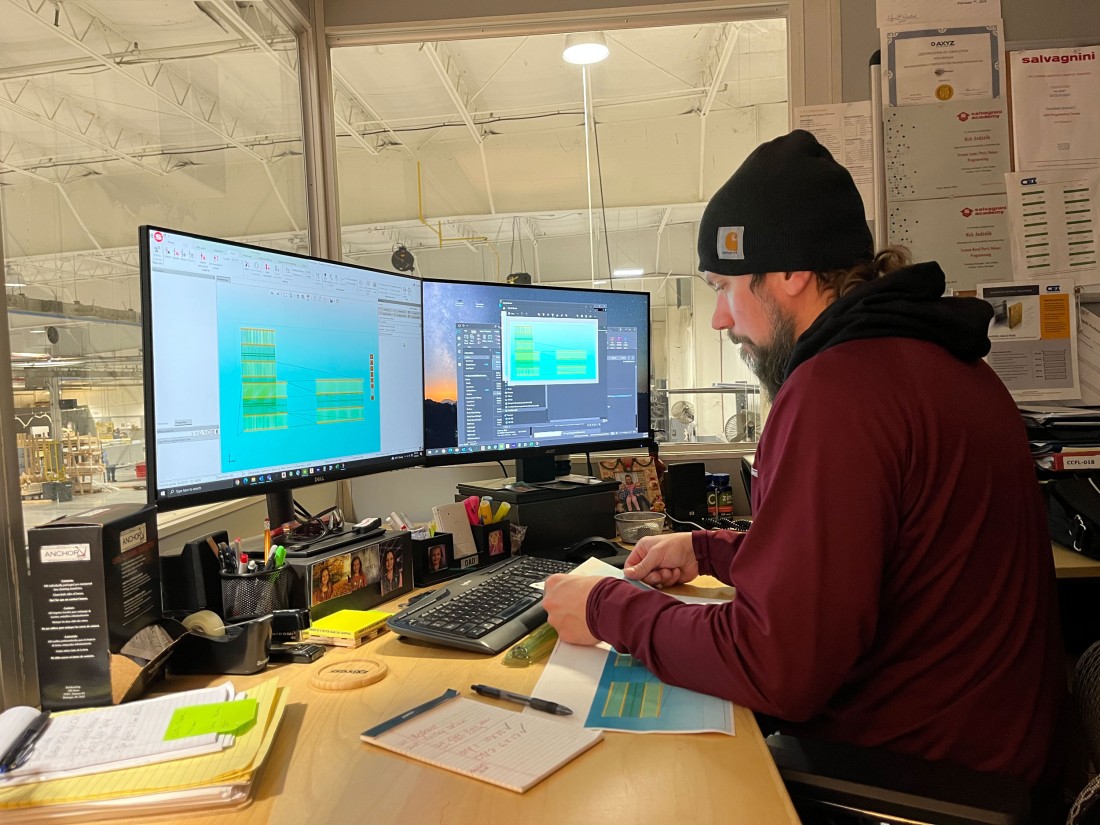 A panel system may appear simple on elevation, but the real complexity often lives in the interfaces. Corners, floor lines, movement joints, soffits, attachment zones, openings, and transitions to adjacent materials all require careful thought. If those conditions are considered only after major design decisions are already locked in, the team may be left trying to force a clean visual concept into a more limited technical framework.
That is where early coordination creates value.
When panel system conversations start sooner, teams can evaluate how the desired visual rhythm aligns with realistic module sizes, support conditions, and installation logic. They can assess whether the intended finish is appropriate for the scale and exposure of the building. They can review how joints will read across the facade, how returns and edges will be handled, and how the system will interact with surrounding scopes. These are not minor questions. They directly affect appearance, schedule, and field efficiency.
Early coordination also helps align expectations across the project team. Architects may be focused on proportions, expression, and finish continuity. General contractors are often looking at schedule, sequencing, and trade coordination. Installers need practical access, attachment clarity, and manageable field conditions. Fabricators are balancing design intent with manufacturing precision and repeatability. None of those priorities are in conflict, but they do need to be aligned early enough for the system to work well for everyone involved.
One of the most common challenges on panel projects is not a lack of good ideas. It is the late discovery of information that could have been addressed earlier. A seemingly small shift in substrate conditions, slab edge alignment, opening dimensions, or transition detailing can affect panel sizing, attachment spacing, or installation sequencing. If that issue appears late, the result may be redesign, delay, or unnecessary complexity. If it appears early, it can usually be managed in a much more controlled way.
This is especially important on projects where the panel system is expected to do more than simply enclose the building. On many contemporary facades, panels play a major architectural role. They shape the visual identity of the project, reinforce scale, create contrast, and support the overall material story. That means the technical decisions behind the system are also design decisions. Layout and attachment strategy are not separate from aesthetics. In many cases, they are what make the aesthetics achievable.
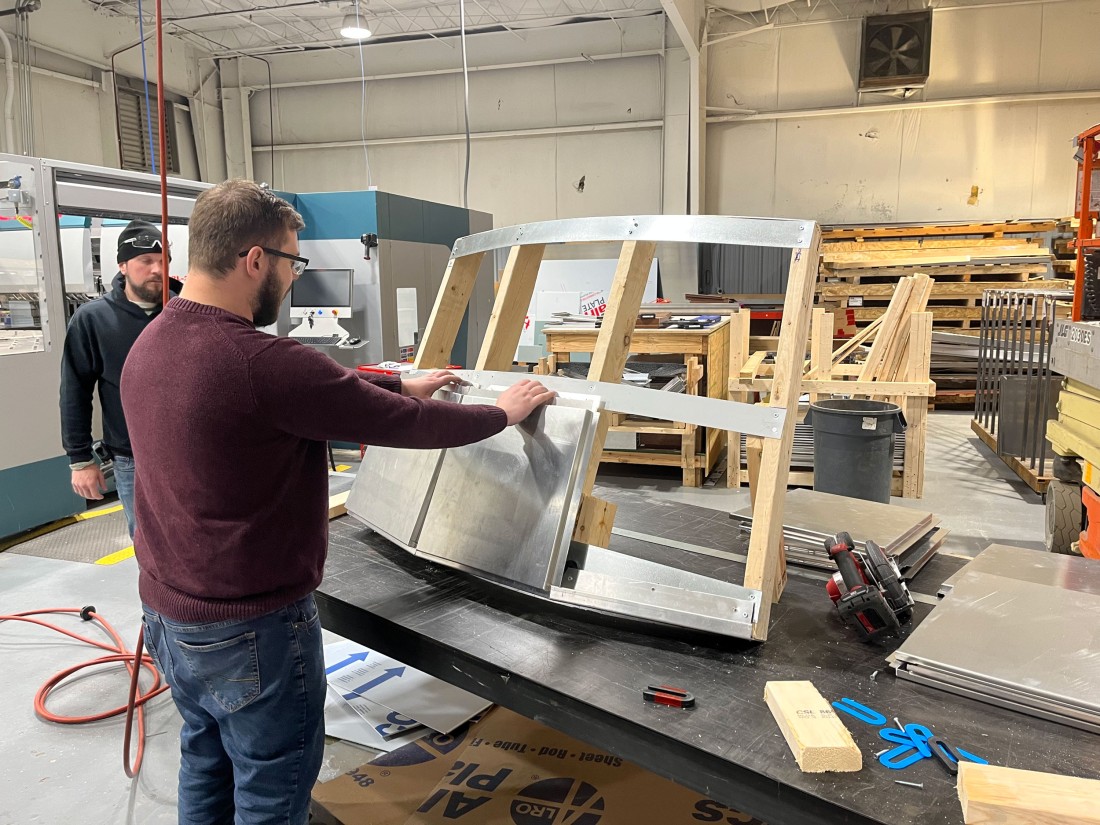 Finish selection is another area where early coordination matters more than many teams expect. Standard, textured, metallic, and wood-look finishes can each read very differently once applied across a full building facade. The lighting conditions, viewing distance, orientation, and surrounding materials all influence how a finish is perceived. A sample can start the conversation, but the broader context is what determines whether a finish performs the way the team intends. Discussing that early helps avoid situations where a finish works in isolation but feels less effective at project scale.
The same is true for constructability. A panel system that looks efficient on paper may become much more complicated if it requires excessive customization, difficult field alignment, or poorly timed trade handoffs. Bringing constructability into the discussion early does not weaken design intent. In most cases, it strengthens it by helping the team arrive at a solution that can be delivered more cleanly and more confidently.
For owners, early coordination can also improve predictability. It helps create clearer expectations around sequencing, scope, and execution. For designers, it creates a stronger connection between concept and built result. For contractors and installers, it reduces ambiguity and supports smoother planning. For fabricators, it provides a better foundation for accurate detailing and production.
In other words, early panel coordination is not just about avoiding problems. It is about improving the quality of the entire process.
The most successful projects are rarely the ones that solve everything at the last minute. They are the ones that create enough alignment early on to let the project move forward with confidence. On panel systems, that alignment starts with asking the right questions soon enough for the answers to be useful.
That is why early coordination matters.
At CEI Materials, we believe the best project outcomes come from thoughtful collaboration at the front end of the process. As we continue this weekly series, we’ll be sharing more insight into the design, detailing, and coordination decisions that shape successful architectural panel projects.
If your team is evaluating panel systems, finish direction, or early façade coordination, explore CEI Materials’ Design Assist services to see how front-end collaboration can support stronger project outcomes. Learn more about Design Assist

.png)