
Beyond the Rendering: Turning Complex Facade Designs Into Fabrication Reality
From dimensional geometry and curved surfaces to perforations and decorative finishes, bringing an architectural vision to life starts with understanding how it can be manufactured.
Architectural façades are becoming increasingly expressive. Curves, folds, waves, perforations, and dimensional surfaces are transforming building exteriors into dynamic architectural features.
But what looks relatively straightforward in a rendering may tell a very different story when it comes to fabrication.
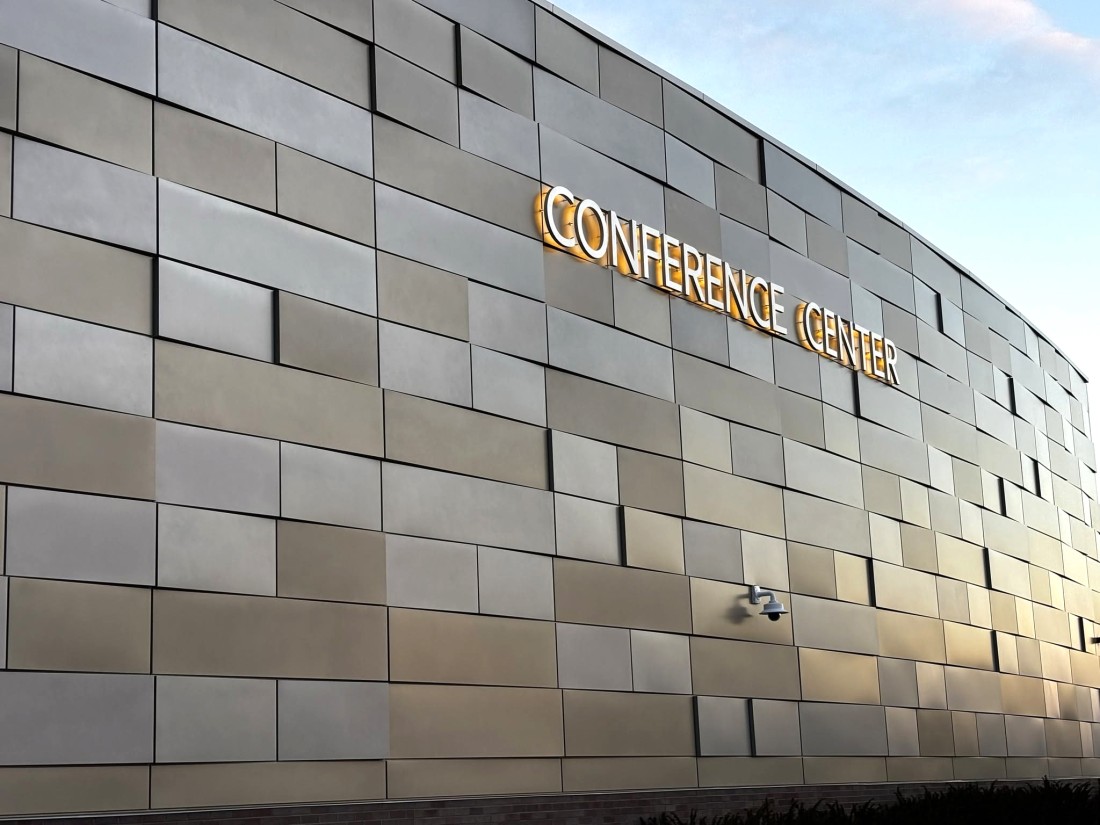
Two façades can create a similar visual effect while requiring entirely different manufacturing processes. A continuous wave might be achieved through a series of folded panels, while another design may require individually rolled or specially formed components.
The question isn't simply, "Can it be made?" It's "What's the most effective way to make it?"
Understanding that distinction early can help architects balance creative intent with practical manufacturing considerations.
 Understanding the Geometry Behind the Design
Not every three-dimensional façade is created the same way.
When evaluating a dimensional design, the geometry itself is often the starting point. Is the desired effect created through a series of angular folds, or does it require a genuinely curved surface? Is the curvature limited to one direction, or does the design incorporate compound curves?
These distinctions can significantly influence the fabrication approach.
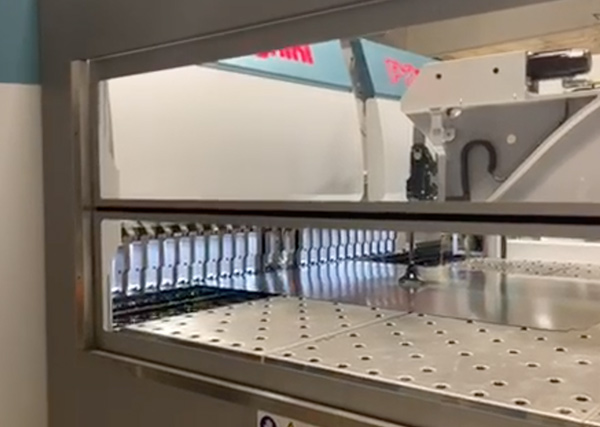
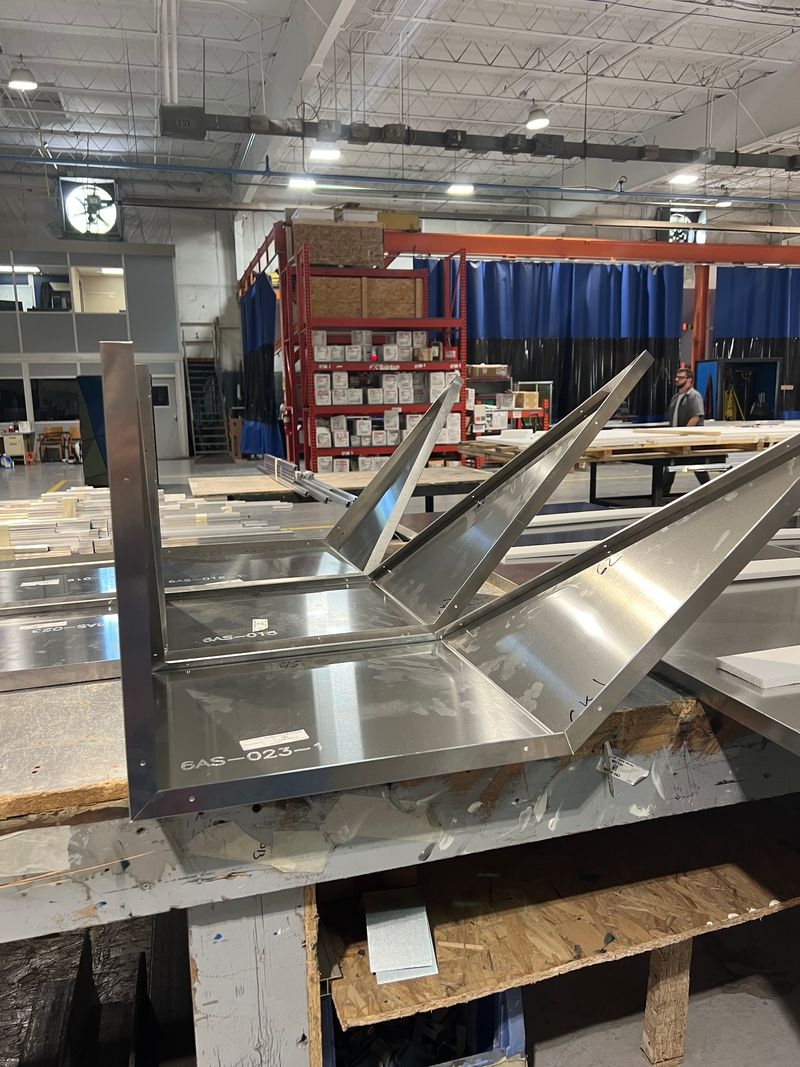
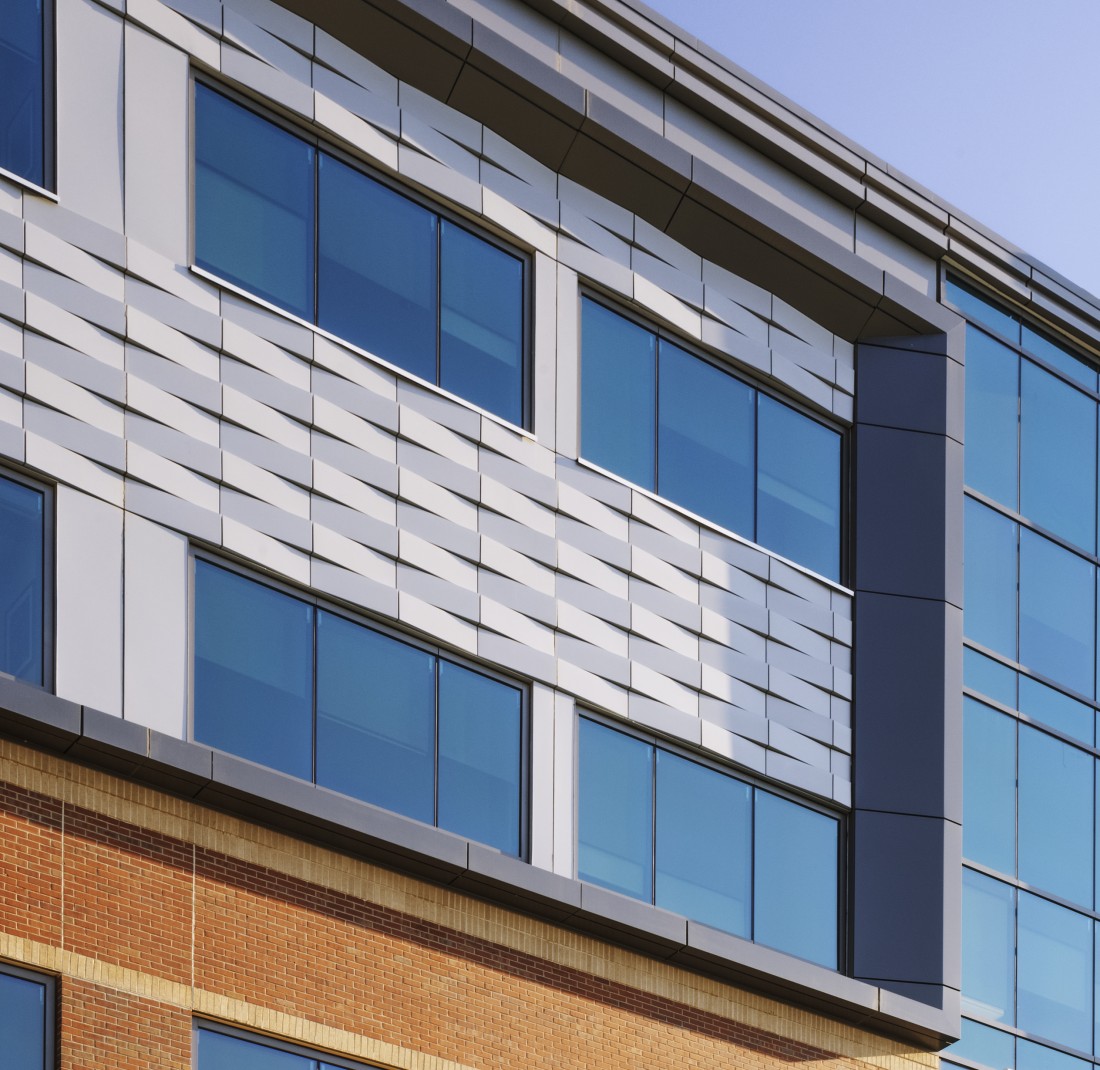
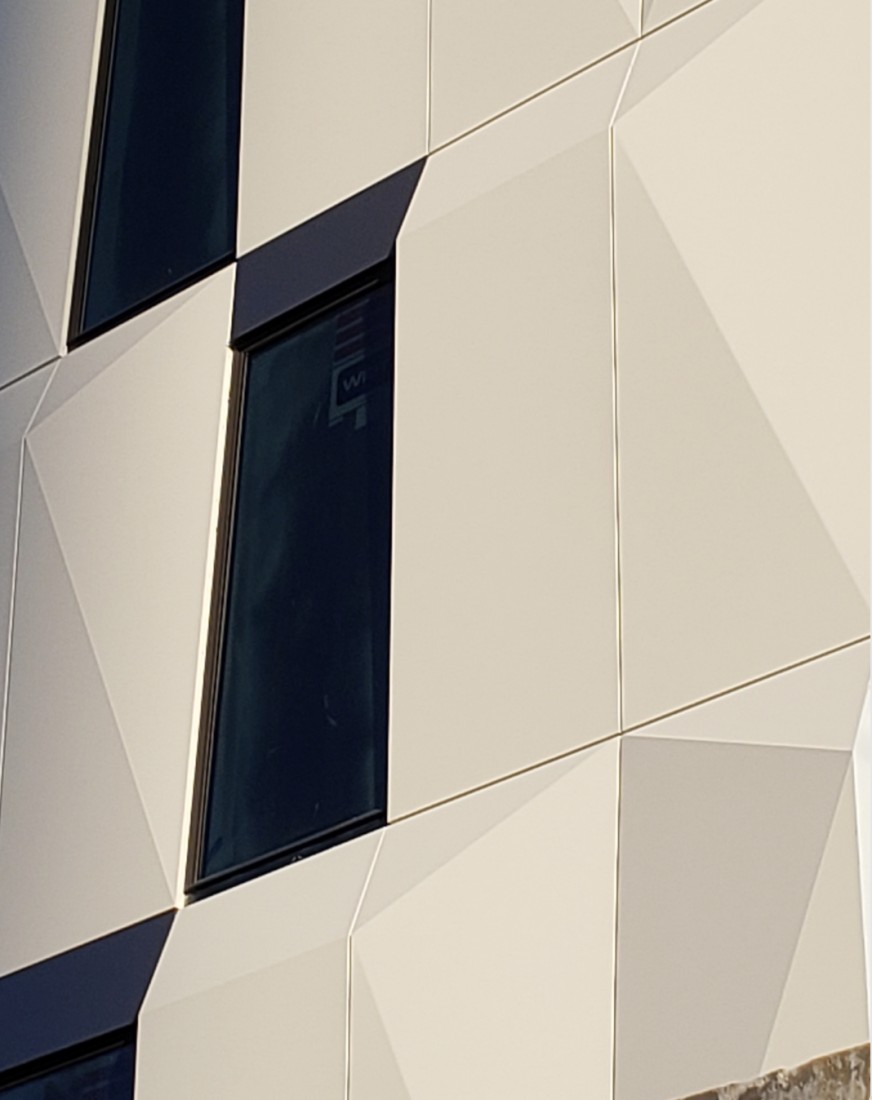
Folded and segmented geometries can create the appearance of movement and curvature through a series of precisely formed planes. Depending on the design, these effects may be achievable using conventional cutting, routing, and bending processes.
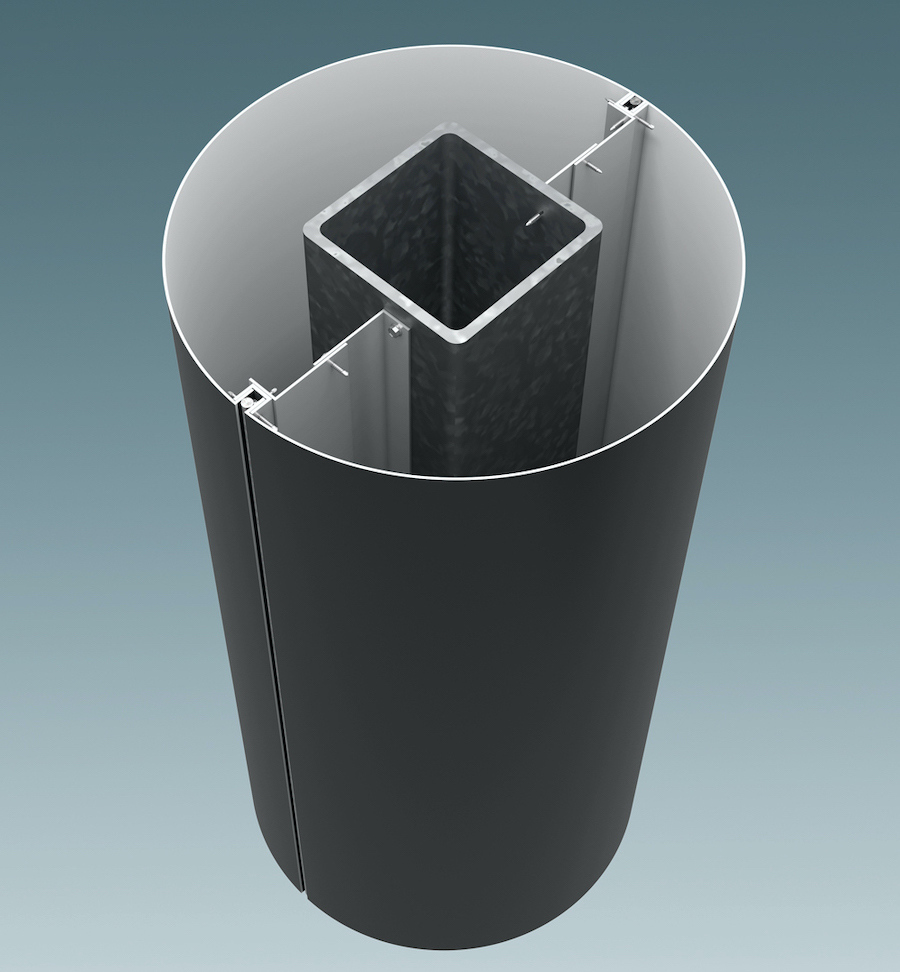
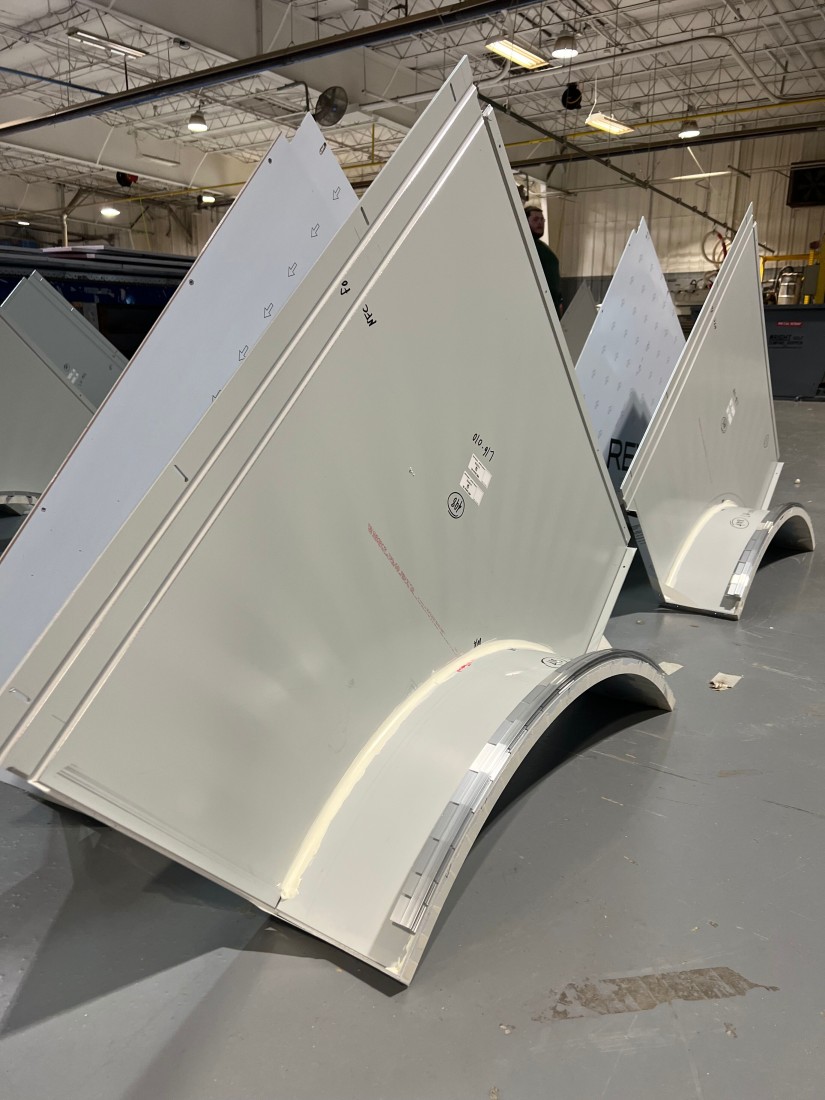
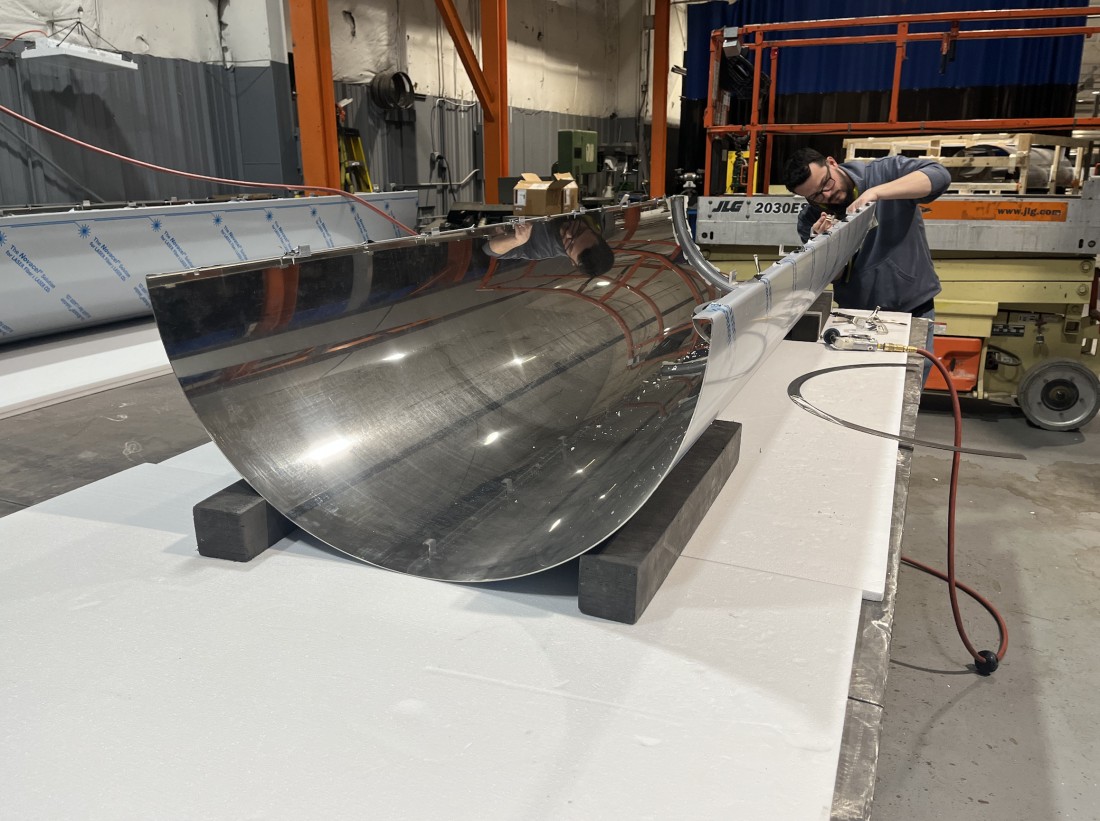
Single-curved surfaces introduce a different set of considerations. Certain materials, including aluminum composite material (ACM), can be rolled to achieve smooth architectural curves within applicable material and fabrication limitations.
Double-curved or compound surfaces, which curve in multiple directions, can be more complex. Depending on the geometry, they may require specialized forming methods, alternative panelization strategies, or additional fabrication processes.
Panel dimensions, bend radii, material thickness, depth, attachment requirements, and available equipment all factor into determining the appropriate solution.
A design that appears highly complex may actually be relatively straightforward to fabricate. Conversely, a seemingly simple, smooth surface may present significant manufacturing challenges.
 This is why understanding the geometry matters just as much as understanding the intended appearance.
Exploring the Possibilities: Geometry, Dimension, and Surface Expression
At CEI Materials, architectural expression can be achieved through a variety of systems, surfaces, and fabrication capabilities. The appropriate solution depends on the design intent, material requirements, and desired visual effect.
 Consider just a few examples:
- CLADLOK™ Modular Panel System
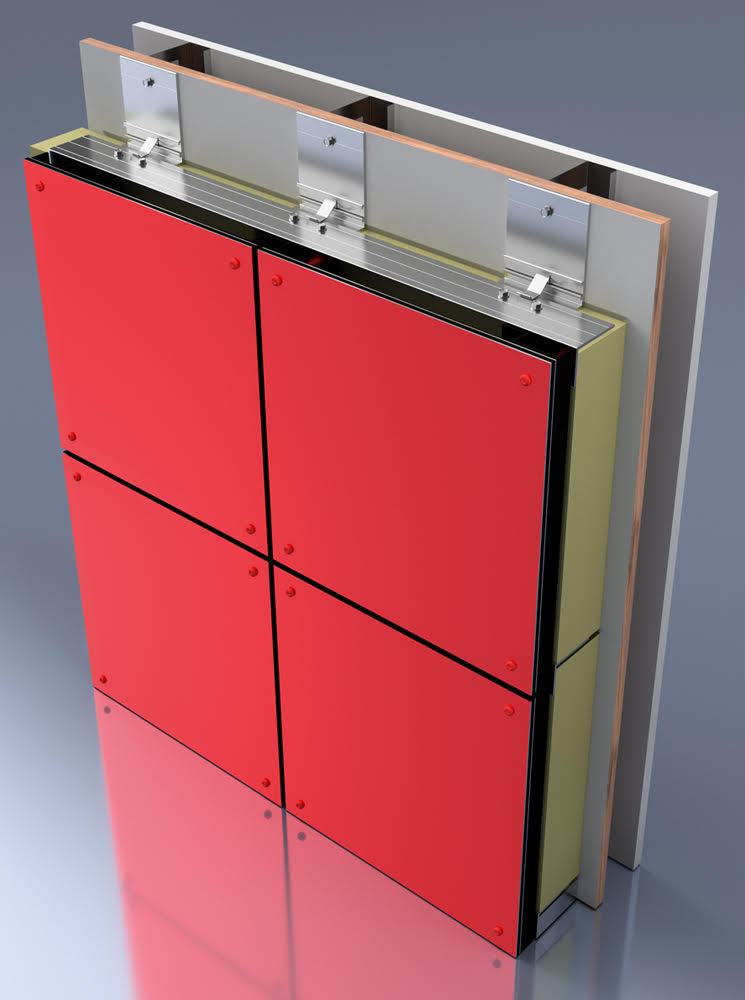
With dimensional and tapered configurations available through its Signature Series and custom shapes and perforated options through its Custom Series, CLADLOK provides opportunities to introduce depth, movement, and distinctive geometry into architectural façades.
- Ultra Panel Series
CEI's single-skin aluminum offerings—including Flush, Flush RV, Wave, and Contour—provide a different approach to architectural dimension. These formed profiles can introduce rhythm, shadow lines, and visual texture without requiring individually sculpted three-dimensional panels.
- Rolled Aluminum Composite Material (ACM)
For designs incorporating smooth, curved surfaces, rolling ACM can provide a practical fabrication approach. The feasibility depends on factors such as the specified material, panel dimensions, required radius, and attachment considerations.
- Perforated Aluminum Plate
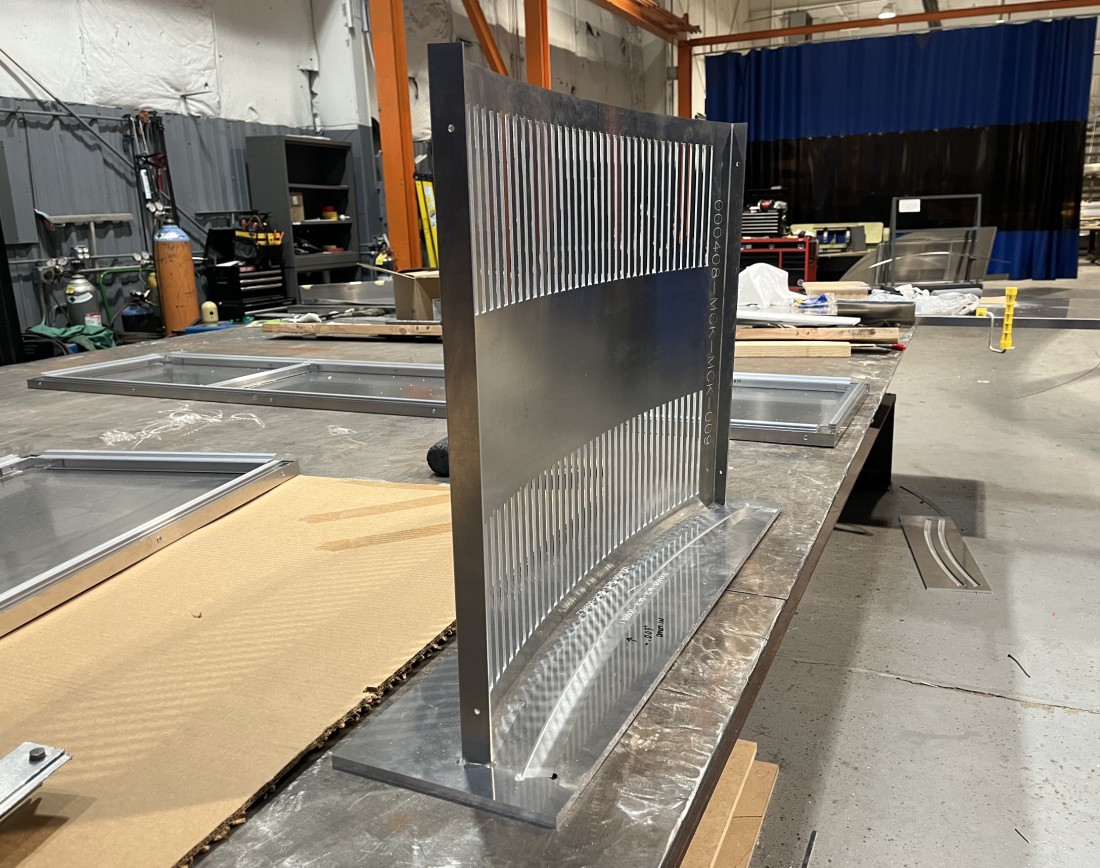
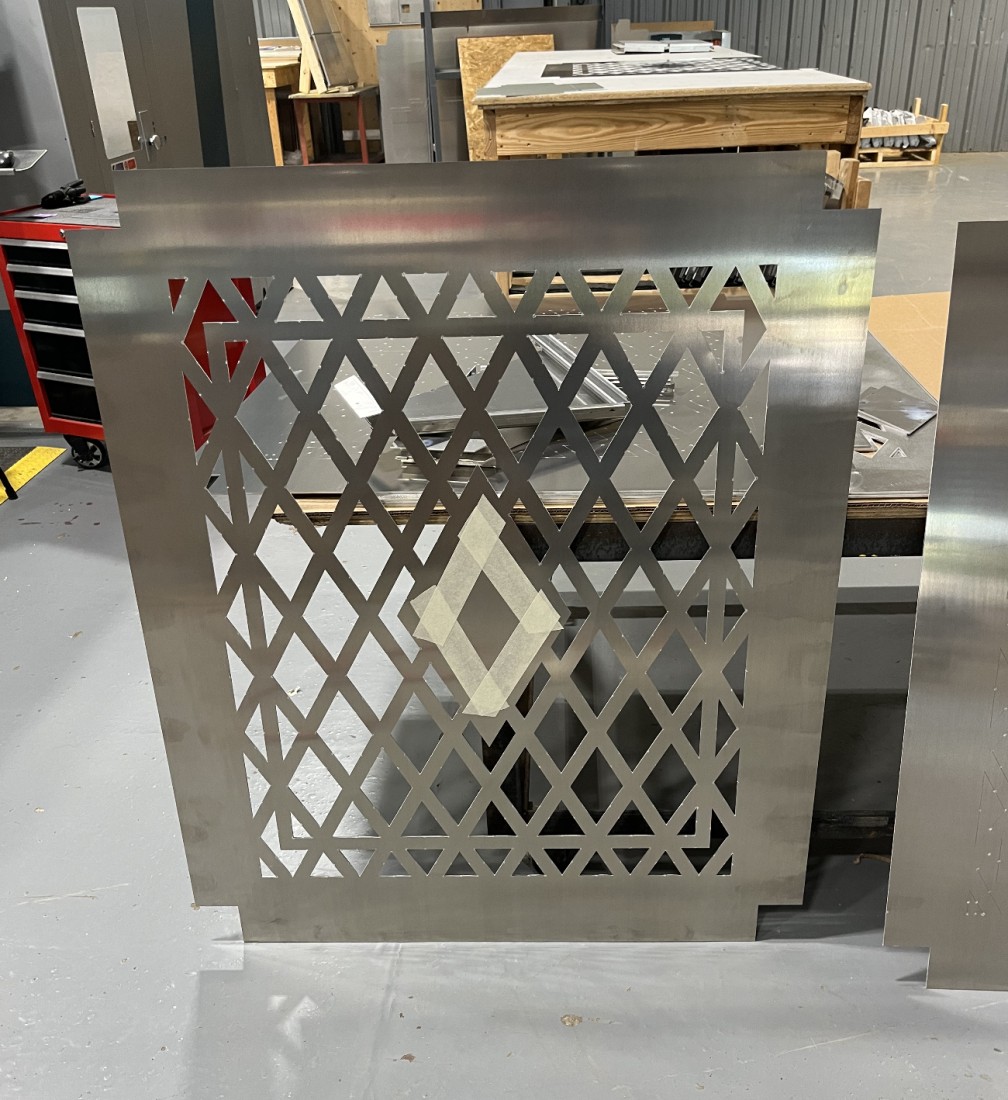
Architectural interest doesn't always require bending or curvature. Custom perforation patterns can introduce depth, transparency, light filtration, and visual movement across a façade. Pattern selection, open area, panel dimensions, and structural requirements all influence the finished result.
- Trespa® Pura® NFC
Dimensional expression isn't limited to physical geometry. Decorative surfaces can introduce another layer of architectural character. Trespa Pura NFC offers finishes that bring natural-looking patterns, visual warmth, and material contrast to exterior designs, creating opportunities for texture and depth through surface appearance.
 These are only a few examples of the solutions CEI offers. From established panel systems to custom fabrication, there are numerous ways to achieve a distinctive architectural result.
The objective isn't to fit every design into a predetermined product or manufacturing process. It's to identify the approach that best supports the architectural vision.
Why Material Selection Matters
Geometry is only one part of the equation.
Material selection can influence how a panel is formed, the dimensions that can be achieved, the available finishes, and the way the completed façade performs.
For example, a design intended for rolled ACM may need to be evaluated differently from one incorporating formed aluminum plate. Similarly, a perforated panel introduces considerations that differ from those of a solid panel, particularly regarding open area, structural performance, and attachment.
Even the desired surface appearance can influence the direction of the design. A dimensional effect might be achieved through formed profiles, contrasting finishes, perforations, or a combination of approaches.
Understanding these relationships early helps project teams evaluate options before committing to details that may require substantial modification later.
From Concept to Constructability: The Value of Early Design-Assist
A rendering, sketch, preliminary drawing, or 3D model can provide an invaluable starting point for a fabrication conversation.
 The earlier a fabricator can review the proposed geometry and material requirements, the sooner potential manufacturing considerations can be identified.
Through design-assist collaboration, CEI Materials works with project teams to evaluate fabrication methods, panelization, material options, and practical limitations while the design is still developing.
These discussions can help answer important questions:
Can the intended geometry be achieved using conventional fabrication methods?
- Would an alternative material or panel configuration produce a similar visual effect?
- How might panel divisions influence the continuity of the design?
- Are specialized forming processes or tooling necessary?
- What manufacturing and installation considerations should be addressed before finalizing the design?
Early evaluation can help reduce avoidable redesign, clarify manufacturing requirements, and support more informed decisions about cost and project feasibility.
 Most importantly, it creates opportunities to explore solutions that preserve the architectural intent while accounting for real-world fabrication requirements.
Great Design Deserves a Thoughtful Fabrication Strategy
Architectural innovation and manufacturing practicality aren't competing priorities. When considered together, they can strengthen the outcome of a project.
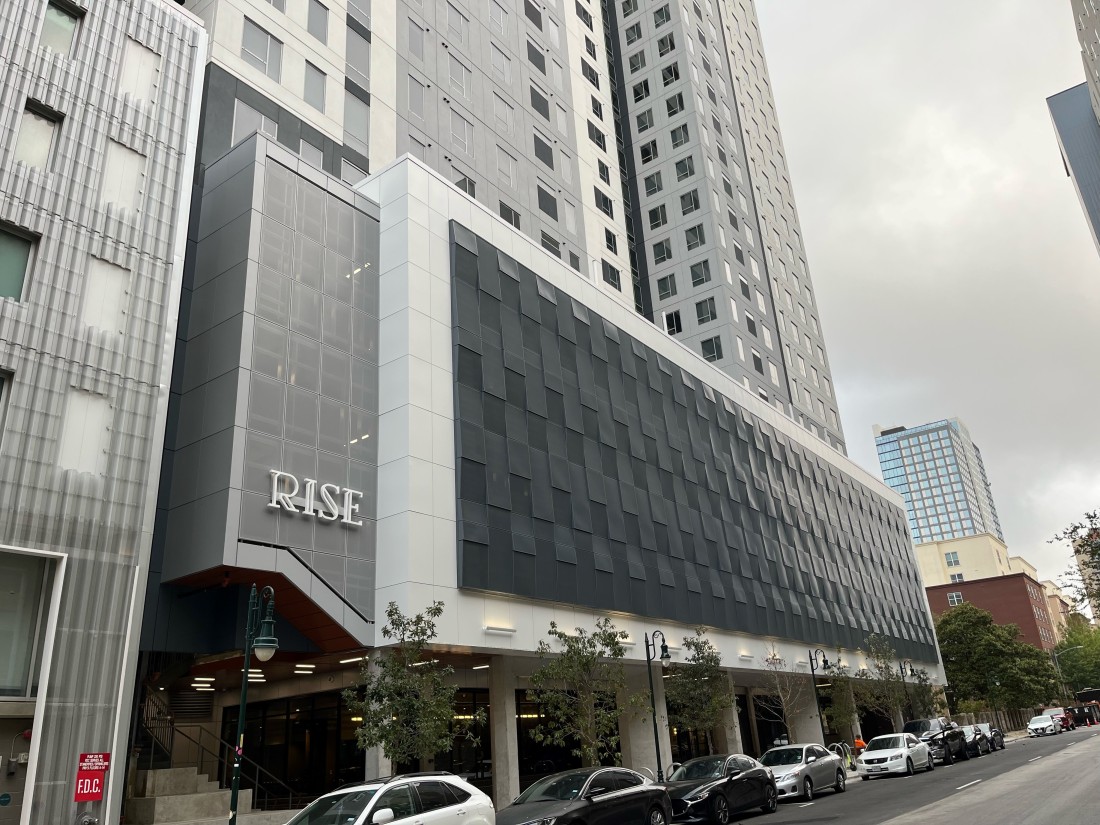 Whether the design calls for a sweeping curve, a dimensional profile, a custom perforation pattern, or a distinctive surface finish, understanding the fabrication possibilities is an essential part of bringing the concept to life.
At CEI Materials, our role extends beyond producing panels. We help bridge the gap between what architects envision and what can be manufactured.
Because great façade design isn't just about what can be imagined. It's about understanding how to make it a reality.